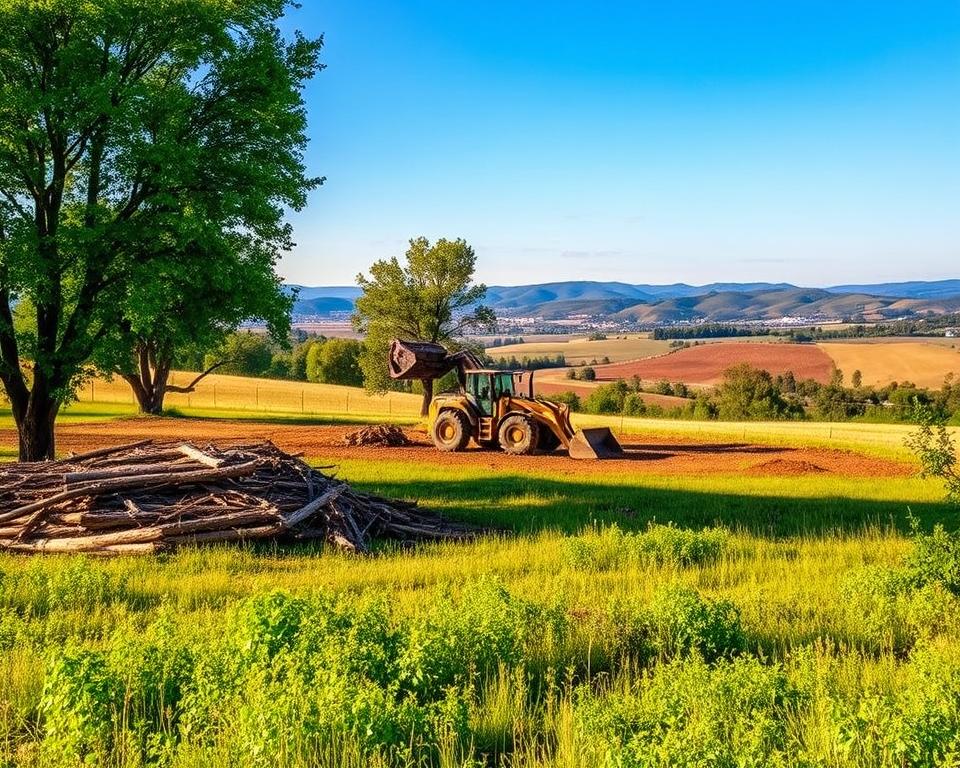
Expert Land Clearing Solutions in Texas
Have you heard Texas hosts over 173 million acres of land, ranking it among the largest states in the United States? Such a vast region includes both municipal and provincial areas, each demanding customized care for growth and upkeep. Skilled land clearing solutions in Texas are crucial for estate holders to handle their land proficiently and increase its worth for prospective projects. Such services, conducted by trained professionals, clear vegetation and get sites for various uses, from residential improvements to business developments.
The fusion of advanced techniques and a commitment on client happiness differentiates forestry mulching companies. Such a combination makes it imperative for property owners to opt for the ideal Texas land clearing services. Making an informed decision secures the optimal outcomes for their projects.
Major Highlights
- Texas is home to over 173 million acres of land, requiring comprehensive land management.
- Expert land clearing services boost site value and prepare sites for future projects.
- Experienced professionals deliver safe and effective vegetation removal.
- Modern technology plays a central role in efficient land clearing processes.
- Customer satisfaction is a priority among leading land clearing companies in Texas.
Understanding Expert Land Clearing Services
Land Clearing is more than just eliminating wood and debris; it’s about reshaping land for diverse uses. It’s essential in property management, aiming to boost land functionality and aesthetics. This operation prepares sites for building or upgrades landscaping, using specific techniques and equipment.
Definition and Purpose of Land Clearing
Land Clearing involves multiple techniques to strip away undesirable vegetation and hindrances. It’s vital for improving space usability, whether for development or agriculture. By clearing land, owners can establish a landscape that accommodates new projects or increases agricultural productivity.
Effective land clearing also prevents pest infestations, which can harm property and reduce its value. This procedure is essential to maintaining a healthy environment.
Importance of Land Clearing for Property Management
Land Clearing is vital in property management for keeping land usable and tidy. Routine clearing stops weeds and non-native species, preventing long-term maintenance issues. It’s about planning to avoid conflicts with wildlife and ecological regulations.
By focusing on land clearing, property holders protect their investments. They also support a healthy ecosystem, helping both the land and its surroundings.
Why You Should Choose Professional Land Clearing Firms
Opting for professional land clearing companies offers numerous advantages. Their expertise and experience are crucial in handling complex tasks with precision. They have access to dedicated equipment, accelerating the removal of vegetation and obstacles. This efficiency can shorten project timelines and lower costs.
Expertise and Experience of Professionals
Professional land clearing companies have decades of experience. Their knowledge allows them to evaluate each job accurately, choosing the best approach for the site. This skill avoids common mistakes, guaranteeing a smooth process from start to finish.
Use of Advanced Machinery
One major benefit is the use of high-end land clearing equipment. These companies are equipped with advanced machinery like excavators, bulldozers, and chippers. This equipment boosts efficiency and allows them to handle difficult terrain, overcoming obstacles that others might find difficult.
Saving Time and Money
Professionals offer substantial advantages in terms of time and cost. Their expertise and access to advanced equipment simplify operations, leading to quicker project completion. This speed results in cost savings compared to non-professional work. Investing in professional land clearing services yields high-quality results swiftly and at a lower cost.
Types of Land Clearing Services Offered
Knowing the different types of land clearing services is essential for landowners aiming to improve their land. Whether it’s a small plot for a home or a expansive area for business, each service meets specific needs. Here are some typical offerings in the land clearing industry.
Residential Land Clearing
Residential land clearing gets plots for new homes or renovations. It involves clearing trees, stumps, and brush that could block construction. This service provides a clear, secure, and accessible area for building. It’s perfect for homeowners wanting a beautiful outdoor space.
Business Site Clearing
Commercial land clearing is for larger-scale operations needed for businesses or industrial projects. It includes removing trees, leveling the site, and disposing of debris. This service prepares land for projects like office spaces, retail stores, or manufacturing plants.
Clearing Overgrowth
This service addresses overgrown vegetation that affects visibility, safety, or aesthetics. Brush and underbrush removal is essential for both residential and commercial properties. It makes properties more visually appealing and secure to navigate. Clearing these plants promotes healthy growth and improves land accessibility.
Site Preparation for Development Projects
Groundwork is essential in any development project. It involves grading, excavation, and setting up drainage systems. Land clearing companies offer site preparation to make the land ready for construction. Proper site preparation is vital for a project’s success.
Selecting the Best Land Clearing Provider
Choosing the right land clearing company is a task that requires careful research and consideration. It’s crucial to examine credentials and experience, as well as customer feedback. Making an informed decision guarantees the job is done efficiently and to your satisfaction.
Checking Credentials and Experience
Begin by verifying the land clearing company’s credentials. Look for licenses, insurance, and certifications that show their professionalism. Their experience in the field is also important, as it shows their ability to meet your project’s specific needs.
Reviewing Customer Testimonials
Customer testimonials offer valuable insights into a company’s performance. Reading feedback from past clients helps gauge quality, reliability, and customer service. These testimonials indicate the company’s reputation and help refine your options.
Comparing Quotes and Services Provided
Getting multiple quotes helps you see market rates better. Compare the services and pricing of each company to determine value for money. Make sure each quote clearly outlines the land clearing services offered, aiding in your decision-making process.
Pricing for Land Clearing in Texas
Knowing the cost of land clearing in Texas is vital for property owners. Multiple elements influence pricing, determining the budget for such projects. These include land size, vegetation type, accessibility, and regional regulations. This section explores these factors and provides insights into average costs per acre for land clearing.
What Drives Land Clearing Prices
Several factors significantly impact land clearing costs. Key influences include:
- Land Size: Larger areas require more resources and time, elevating total cost.
- Vegetation Type: Thick foliage or large trees raise removal costs due to extra labor and equipment needs.
- Terrain Challenges: Uneven or rocky terrain complicates the clearing process, potentially raising expenses.
- Accessibility: Remote locations may incur higher charges for transportation and equipment mobilization.
Typical Costs per Acre
The average cost per acre for land clearing in Texas varies widely. This range is based on the factors mentioned. On average, property owners can expect:
| Vegetation Type | Average Cost per Acre |
|---|---|
| Brush and Small Trees | $1,200 – $2,500 |
| Mature Trees | $2,500 – $5,000 |
| Cultivated Land (Minimal Clearing) | $800 – $1,500 |
These averages offer a better understanding of what to expect when planning for land clearing projects. They enable clients to prepare effectively based on their specific needs.
Modern Machinery for Land Clearing
Efficient land clearing heavily depends on advanced equipment. Knowing the types of machinery available can significantly improve outcomes. It also increases safety and efficiency. This section details the different equipment used and the advantages of modern technologies in land clearing.
Common Clearing Equipment
- Skid Steer Mulchers: Flexible machines capable of handling various terrain types.
- Forestry Mulchers: Designed to tackle bigger trees and thick vegetation, providing a neat finish.
- Excavators: Perfect for digging and moving earth or debris, key in preparation phases.
- Bulldozers: Essential for pushing large volumes of material, ensuring efficient site clearance.
- Chippers: Break down wood into smaller, manageable pieces, promoting easier disposal.
Why Advanced Machinery Matters
Using modern clearing equipment brings many benefits. Precision cutting minimizes environmental impact. Contemporary machinery’s efficiency means projects are completed faster, saving time and costs. Plus, enhanced safety features reduce accident risks, ensuring a secure work environment.
Land Clearing Processes Explained
The land clearing process is a detailed method to prepare a site for construction or development. Each step is critical for efficiency and environmental care. Knowing these steps helps property owners navigate the complex land preparation tasks.
Initial Assessment of the Land
The first step is the initial land assessment. It looks at the land’s topography, soil, plants, and any structures. This information helps identify challenges and opportunities, guiding decisions as the project unfolds.
Designing the Clearing Plan
Next, a tailored clearing strategy is developed. It chooses the right tools and methods for the site’s unique needs. Ecological care, safety, and permits are primary considerations. A solid plan guarantees the work goes seamlessly and on time.
Carrying Out the Clearing
With the strategy set, the clearing work starts. Specialized machines clear plants, debris, and unwanted structures. Adhering to the plan keeps costs and timelines in check and protects the environment.
The Environmental Impact of Land Clearing
The environmental impact of land clearing is a urgent concern for both conservationists and developers. Clearing land for new projects disturbs local ecosystems, causing biodiversity loss and ecological challenges. Adopting eco-friendly land clearing practices can reduce these negative impacts and foster sustainable development.
Effective strategies can reduce habitat destruction and soil erosion, frequent issues with traditional land clearing. Techniques like selective clearing and biodegradable herbicides help preserve native species. Soil conservation methods ensure the land remains stable after clearing, upholding ecological balance.
Green Clearing Methods
Eco-friendly land clearing focuses on sustainable methods and technologies. Key practices include:
- Selective clearing to preserve important vegetation
- Using machinery that reduces soil compaction
- Recycling cleared materials for landscaping projects
- Implementing erosion control measures, such as silt fences and mulching
These strategies not only protect the environment but also boost land value by preserving natural resources.
Regulations and Compliance in Texas
Texas has stringent regulations for land clearing to protect ecosystems. Companies must adhere to:
- The Clean Water Act, which controls pollutant discharge
- State laws protecting wildlife to conserve native species
- Local ordinances governing land use and development
Understanding these regulations helps businesses operate responsibly, reducing environmental impact.
Affordable Land Clearing Options in Texas
Texas boasts a variety of cost-effective land clearing solutions for property owners looking to save money. Knowing the market can help find budget-friendly services that deliver quality without overspending. Choosing the right provider ensures you get the most value.
Finding Budget-Friendly Services
In Texas, there are many economical land clearing services available for both homes and businesses. Companies offer flexible options to fit different budgets without compromising quality. It’s wise to compare services and ask for detailed quotes from several providers. This strategy helps property owners make the best choice for their specific needs.
Special Rates for Seniors & Veterans
Discounts are a key factor when searching for affordable land clearing services. Many Texas providers offer special rates for seniors and veterans. These discounts recognize their service and help seniors keep their properties in good condition. Always ask about existing discounts, as they can greatly lower costs.
Clearing’s Impact on Property Development
Land clearing is essential in real estate development. It clears obstacles and prepares the land for new projects. This process greatly enhances property value in various developments.
Enhancing Property Value
Professional land clearing directly increases property value. Clean land attracts buyers and investors. It makes selling or developing easier. Removing brush, trees, and debris provides a more attractive environment.
It also reduces risks like pests and hazards. This is vital for overgrown land.
Getting Grounds Ready
Preparing land for projects requires careful planning. Land clearing renders the site suitable for construction or other uses. It increases project efficiency and supports on-schedule completion.
Properly cleared land allows for essential assessments. These include environmental studies and soil testing. They are critical for any development.
Land Clearing Near Me: Finding Local Services
Selecting local land clearing services brings many benefits that can greatly improve your project’s efficiency. Local companies are known for their prompt responses, deep understanding of regional regulations, and personalized service. For property owners aiming to enhance their land, partnering with local professionals is highly advantageous.
Why Go Local?
- Quick Response Times: Local companies can respond swiftly, allowing for faster project commencement.
- Knowledge with Regulations: They have a solid understanding of local laws and regulations that may impact land clearing activities.
- Supporting Local: Supporting local businesses contributes to your community’s economy.
- Customized Services: Local contractors may offer services customized to the specific needs of the area.
Regions Served by Land Clearing Companies
When looking for land clearing services near you, it’s important to know the areas covered by local companies. Most services cover various regions, including:
| Region | Common Services |
|---|---|
| Urban Areas | Residential and Commercial Land Clearing |
| Suburban Areas | Brush Removal and Site Preparation |
| Rural Areas | Agricultural Land Clearing |
| Specialty Areas | Eco-Friendly Practices and Special Permits |
Final Thoughts
Professional land clearing solutions in Texas are vital for both residential and commercial projects. These services employ advanced equipment and expertise to clear land efficiently and safely. They handle everything from brush removal to site preparation, boosting your land’s value and usability.
Selecting experienced professionals for land clearing simplifies the process and minimizes risks. Whether for new construction or property upkeep, professional land clearing in Texas is a wise investment. It offers long-term benefits and ensures compliance with local regulations.
By using professional land clearing services, property owners can make better decisions about their land. This approach leads to smoother developments, follows local laws, and improves the land’s appearance. Contact a reliable land clearing company to start your project on the right track.